
Cash Stuffing for Beginners: How It Works (2026 Guide)
Key takeaways
Cash stuffing for beginners explained: how the envelope method works, how to start with 5 envelopes, costs, and who it actually helps.
What cash stuffing actually is
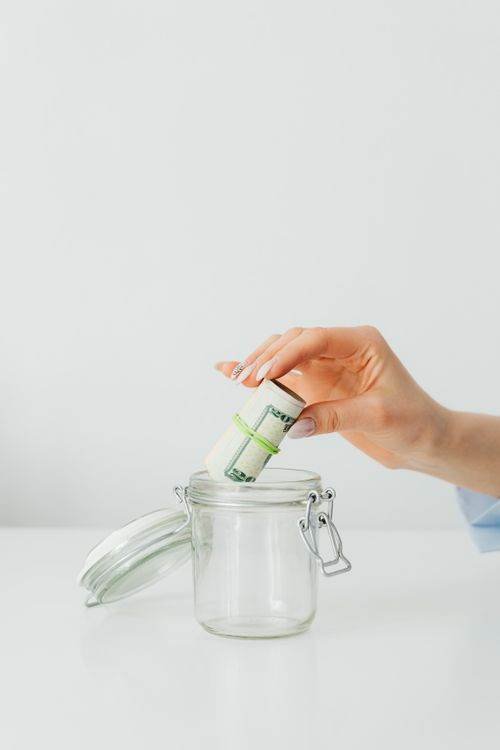
Cash stuffing is exactly what it sounds like: you take your spending money in physical cash, divide it into labeled envelopes — one per spending category — and stuff each envelope with its budgeted amount. Groceries get an envelope. Gas gets an envelope. Fun money gets an envelope.
The rule is brutally simple: when an envelope is empty, you stop spending in that category until the next payday. No borrowing from the grocery envelope to fund a night out. No "I'll pay it back next week." Empty means empty.
It is the modern, social-media-famous version of the old cash envelope system your grandparents probably used. The mechanics have not changed in decades. What changed is the packaging: color-coded binders, printed tracker sheets, and a thriving online community sharing their setups.
Why it works (the psychology)
Cash stuffing works for one reason: it makes spending hurt again.
When you tap a card or phone, money feels abstract — just numbers on a screen. Researchers call this the difference between "real" and "play" money feeling, and study after study finds the same pattern: people spend more freely with cards than with physical cash. Handing over a twenty-dollar bill you just stuffed into an envelope feels like losing something. That friction is the entire point.
The envelopes add a second psychological trick: pre-commitment. You decide your limits once, on payday, when you are calm and rational — not at 9pm in a checkout line when you are tired and hungry. Future-you just follows the envelopes.
Who cash stuffing helps most
Cash stuffing is not for everyone, but it is close to ideal for three types of people:
1. The chronic card overspender. If every month ends with "where did it all go?" and your card statements are a blur, cash stuffing replaces the blur with hard walls. You cannot overspend what is not in the envelope.
2. The couple that fights about money. Envelopes make spending visible and agreed-upon in advance. "Fun money" is a shared, finite number — not a recurring argument.
3. The beginner who hates budgeting apps. If spreadsheets and apps never stuck, the physical act of stuffing envelopes can succeed where software failed. It is budgeting you can touch.
It is a poor fit if you earn most of your money in ways that are hard to convert to cash, if you travel constantly, or if you rely heavily on credit card rewards you pay off in full each month — in that last case, you are already disciplined, and the envelopes add hassle without benefit.
How to start: the 5-envelope beginner setup
Do not buy a binder, stickers, or anything else yet. Start ugly. Here is the exact beginner setup:
Step 1: Pick your five categories
For your first month, use only these five envelopes:
- Groceries — food you cook at home
- Transport — gas, transit, parking
- Eating out — restaurants, coffee shops, takeout
- Fun money — everything else you want but do not need
- Miscellaneous — the catch-all for small surprises
Five is the sweet spot: enough to create real boundaries, few enough that you will actually maintain them. Fixed bills like rent and insurance stay on autopay from your bank account — do not stuff those.
Step 2: Set the amounts
Look at last month's spending in each category (check your bank statements, not your memory — memory lies). Then set each envelope slightly below last month's number. Not drastically below; about 10–15% less. The goal is a stretch, not a starvation diet.
Example for a $2,400/month take-home budget:
| Envelope | Last month (actual) | This month (envelope) |
|---|---|---|
| Groceries | $420 | $370 |
| Transport | $160 | $140 |
| Eating out | $200 | $170 |
| Fun money | $150 | $130 |
| Miscellaneous | $90 | $80 |
| Total stuffed | — | $890 |
Everything else — rent, bills, savings, debt payments — stays digital and automatic.
Step 3: Stuff on payday
On payday (or the first of the month), withdraw the total in cash and divide it into the envelopes immediately. Write the amount and the date on each envelope. This ten-minute ritual is the whole system — do not skip it or "do it tomorrow."
Step 4: Spend only from envelopes
Buy groceries with grocery-envelope cash. When the eating-out envelope is empty on the 23rd, you cook at home until payday. This will feel harsh the first month. That harshness is the medicine working.
Step 5: Review at month end
Count what is left in each envelope. Leftover money is information: it tells you which categories were overfunded. Roll leftovers into savings or next month's envelopes. Empty envelopes tell you where your real spending pressure lives — adjust next month's amounts, don't just suffer.
The real costs (nothing is free)
Cash stuffing has genuine costs most guides gloss over. Know them upfront:
- ATM and withdrawal logistics. You need regular access to cash without fees. Use your own bank's ATMs.
- Lost rewards. Money stuffed in envelopes earns no credit card cashback and no bank interest. On $890 a month, forfeited rewards might be $10–$15 — acceptable tuition for most beginners, but real.
- Security. Cash in a binder at home is cash that can be lost or stolen. Do not stuff your emergency fund or rent money — only variable spending.
- Inconvenience. Online purchases, subscriptions, and anything requiring a card cannot come from an envelope. That is partly the point, but plan around it.
The digital-hybrid version
Purists use cash only, but a hybrid works well in 2026 and keeps most of the psychology:
- Keep the envelopes and the stuffing ritual — the physical act is where the magic is.
- For online spending, use a separate checking account or prepaid card per category instead of cash, and treat its balance exactly like an envelope: when it hits zero, you stop.
- Many banks now let you create free sub-accounts or "vaults" — label them like envelopes and fund them on payday.
The hybrid loses a little of the pain-of-paying effect but keeps the hard boundaries, which is 80% of the value.
Common beginner mistakes
Stuffing too many categories. Twelve envelopes in month one is a part-time job. Start with five.
Setting amounts from fantasy, not history. If you spent $400 on groceries last month, a $200 envelope is not discipline — it is a plan to fail by week two. Cut 10–15%, not 50%.
Borrowing between envelopes. The moment you "borrow" from groceries for concert tickets, the system is decorative. Empty means empty.
Stuffing fixed bills. Rent, insurance, loan payments belong on autopay. Envelopes are for variable spending — the part you can actually control.
Quitting after one bad month. Month one is calibration. Almost everyone blows at least one envelope. Adjust the amounts and run month two before judging.
Cash stuffing vs. budgeting apps
| Cash stuffing | Budgeting app | |
|---|---|---|
| Spending friction | High — physical cash hurts | Low — still just numbers |
| Setup effort | 10 min on payday | 30–60 min of categories and syncing |
| Ongoing effort | Near zero | Regular check-ins |
| Works without a smartphone | Yes | No |
| Earns rewards/interest | No | Depends on accounts |
| Best for | Overspenders, beginners, couples | Data lovers, the already-disciplined |
Neither is objectively better. The best system is the one you will still be using in six months.
The bottom line
Cash stuffing is the envelope method with a modern name: divide payday cash into labeled envelopes, spend only what is in each one, and let the physical limits do the disciplining your willpower could not. Start with five envelopes, base amounts on last month's real spending minus 10–15%, and give it two full months before you judge it. It is low-tech, slightly inconvenient, and remarkably effective — which is exactly why it keeps coming back.
Frequently asked questions
What is cash stuffing?
Cash stuffing means dividing your physical cash into labeled envelopes for each spending category and only spending what is in each envelope. When an envelope is empty, spending in that category stops.
Does cash stuffing actually work?
It works best for people who overspend with cards and need hard limits. Studies on cash spending show people spend less with physical money because the loss feels more real.
How many envelopes should a beginner start with?
Start with five: groceries, transport, fun money, eating out, and miscellaneous. Add more only after a month of practice.
Keep reading

7 Budget Apps Worth Trying in 2026 (Free and Paid)
Compare the best budget apps of 2026 with a simple checklist for picking one that matches your spending habits. Free and paid options explained clearly here.

How to Budget on Biweekly Paychecks Without Going Broke
Getting paid every two weeks makes budgeting tricky. This calendar method shows how to assign every paycheck, handle bills between paydays, and stop running dry.
The Cash Envelope System (and Its Modern Digital Version)
The cash envelope system makes spending visible again. Learn how envelope budgeting works step-by-step — plus the digital apps that do the same job.